Essential Roof Maintenance Checklist for Coastal Homes
Living on the Sunshine Coast means enjoying beaches, hinterland views and a relaxed subtropical lifestyle. It also means your roof works harder than most. From Coolum and Maroochydore to Caloundra and Noosa, coastal homes are exposed to salt-laden air, intense UV radiation, summer storms, high humidity and the occasional severe weather event. Together, these conditions can shorten the https://roofcleaningsunshinecoast.com.au/contact/ life of a roof if it is not looked after. A regular, structured maintenance routine is one of the most cost-effective ways to protect your home and avoid expensive repairs.
Why Coastal Roofs Need Extra Attention
A roof near the ocean faces a different set of challenges from one located well inland. Understanding these pressures helps you prioritise what to inspect and when.
Salt Air and Corrosion
Salt particles travel on sea breezes and settle on roofing materials, fasteners, flashings and gutters. Over time, salt accelerates corrosion, particularly on metal roofing such as Colorbond or galvanised steel. Homes within a few kilometres of the coast are generally more exposed, and areas facing prevailing onshore winds can see faster deterioration. Where rain does not regularly wash the roof, such as under eaves and sheltered sections, salt can build up and do the most damage.
UV Exposure and Heat
Queensland has some of the highest UV levels in the world. Constant exposure can fade roof coatings, make sealants brittle, and cause tiles to degrade or lose their glaze. Repeated heating and cooling also causes materials to expand and contract, which can loosen fixings and open small gaps.
Humidity, Mould and Moss
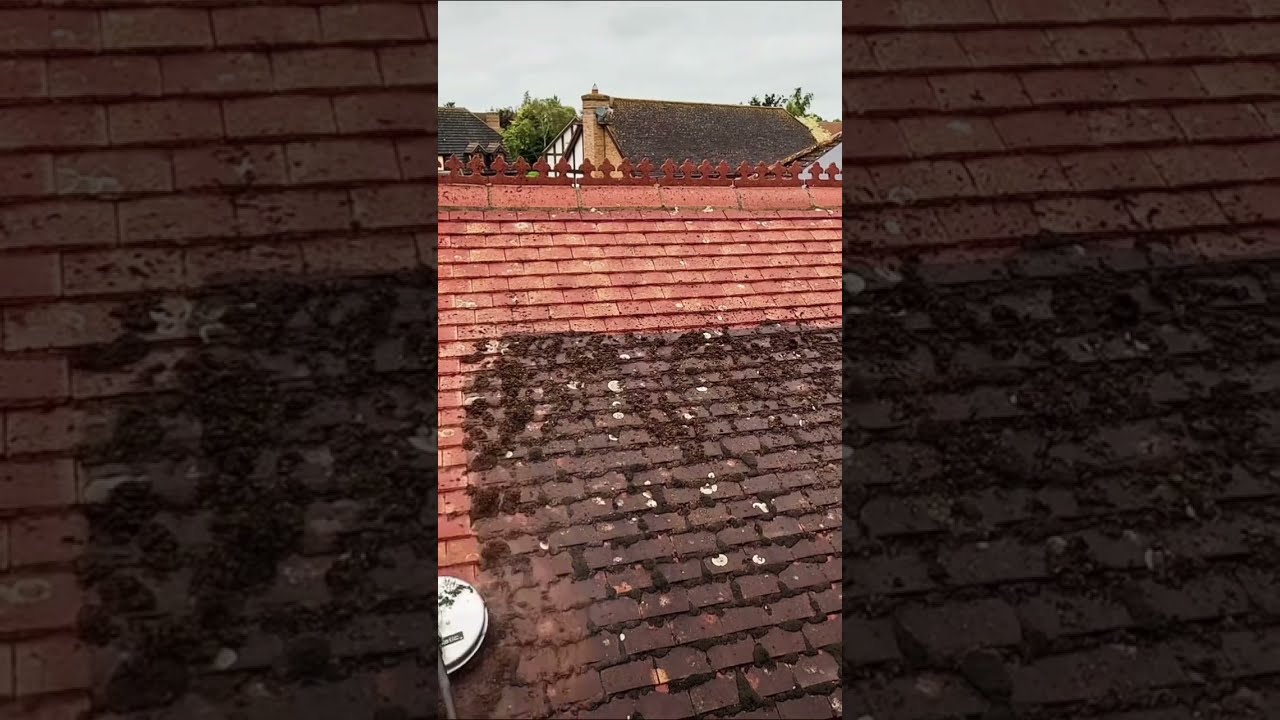
Warm, humid conditions encourage mould, algae and lichen growth, especially on shaded roof sections and south-facing slopes. Growth traps moisture against the roof surface, which can degrade tiles, clog gutters and encourage water to track back under roofing materials.
Storms and Wind
The Sunshine Coast regularly experiences summer thunderstorms, heavy rain and strong winds, and it sits within a cyclone-influenced region. Loose tiles, lifted sheets, weakened ridge capping and blocked gutters are common points of failure when severe weather arrives.
The Essential Roof Maintenance Checklist
Use the following checklist as a practical guide. Many of these items can be visually checked from the ground with binoculars or from a ladder at a safe height, but anything that requires walking on the roof should be left to a qualified professional.
- Inspect for rust and corrosion: Look closely at metal sheets, screws, flashings, valleys and gutter joins. Early signs include white powdery deposits, orange staining, bubbling paint or pin-sized holes.
- Check tiles for cracks and movement: Look for broken, chipped, slipped or missing tiles. Pay attention to ridge capping and the bedding and pointing that hold it in place.
- Examine flashings and sealants: Flashings around chimneys, skylights, vents and wall junctions are common leak points. Look for lifting, gaps, cracked sealant or rust.
- Clean gutters and downpipes: Remove leaves, debris and silt. Blocked gutters cause overflow, which can lead to water entering the roof space and damaging fascia boards.
- Look for mould, moss and algae: Note any heavy growth, particularly in shaded areas, and arrange gentle professional cleaning if it is building up.
- Trim overhanging trees: Branches can scratch roofing, drop debris and become hazards in strong winds. Keep a safe clearance between foliage and the roof.
- Check the roof space: From inside the ceiling cavity, look for daylight coming through, water stains, damp insulation, mould or musty smells.
- Inspect ceilings and walls: Brown stains, peeling paint or bubbling plaster can signal a slow leak that has not yet become obvious.
- Review roof penetrations: Check solar panel mounts, antennas, exhaust vents and roof vents for secure fixings and intact seals.
- Schedule a professional inspection: A qualified roofer can identify problems that are difficult to see from the ground and can safely access the roof surface.
Maintenance Schedule for Sunshine Coast Homes
Before the Storm Season
Storm season typically ramps up in the warmer months, so late winter and spring are an ideal time for preparation. Clear gutters, secure or replace loose tiles and sheets, check ridge capping, and trim branches near the roof. Ensuring everything is well fixed and water flows freely can reduce the risk of storm damage and leaks.

After Severe Weather
After heavy rain, hail or strong winds, do a quick visual check from ground level. Look for displaced tiles, bent or lifted sheets, fallen branches and debris in gutters. If you notice damage or suspect a leak, arrange an inspection promptly. Small problems can escalate quickly when moisture gets into the roof structure.
Annual Professional Inspection
For coastal homes, an annual professional roof inspection is a sensible baseline. Homes close to the water, older roofs and properties with previous storm damage may benefit from more frequent checks. A written inspection report is also useful for tracking the condition of your roof over time and supporting insurance or maintenance planning.
Material-Specific Considerations
Metal Roofing
Metal roofs generally perform well on the coast when the right grade of material and coating is used, but they still need care. Rinse the roof and gutters with fresh water periodically to remove salt build-up, particularly in sheltered areas that rain does not reach. Check manufacturer guidelines, as some warranties for coastal and marine environments require regular washing. Replace corroded fasteners promptly, and treat scratches or exposed edges before rust spreads.
Concrete and Terracotta Tiles
Tile roofs are durable, but the bedding, pointing and underlying sarking can deteriorate over time. Cracked ridge capping and loose tiles are common after storms. Repointing or rebedding, replacing broken tiles and cleaning off heavy growth can extend the life of the roof. Avoid aggressive high-pressure cleaning, which can damage the tile surface and push water beneath the tiles.
Gutters, Fascia and Flashings
Coastal conditions can corrode lightweight gutters and fixings faster than expected. Look for rust at joins and brackets, sagging sections and pooling water. Consider corrosion-resistant materials when replacing components, and use compatible fasteners to avoid galvanic corrosion between different metals.
Safety and Compliance Considerations
Roof work is one of the leading causes of serious falls at home. Avoid climbing onto the roof unless you have appropriate training and safety equipment, and never work on a wet, mossy or windy roof. Licensed roofing professionals in Queensland are trained to work safely at height and understand building requirements, including those relating to wind-resistant construction in cyclone-influenced regions. When arranging repairs or replacement, confirm that your contractor is appropriately licensed and insured, and ask for a written scope of work.
It is also worth reviewing your home insurance policy. Insurers commonly expect homeowners to keep the property in good repair, and a documented maintenance history can help if you ever need to make a claim.
Signs You Should Call a Professional Straight Away
- Active leaks or water stains that are spreading across ceilings
- Missing, cracked or displaced tiles or sheets after a storm
- Visible rust-through, holes or widespread corrosion
- Sagging roof sections or gutters pulling away from the fascia
- Daylight visible in the roof space
- Persistent mould or damp odours inside the home
The Value of Proactive Maintenance
Roof replacement is a major expense, and neglected maintenance is one of the main reasons roofs fail early. By contrast, routine cleaning, minor repairs and timely inspections are comparatively inexpensive and can add years to the life of your roof. Consistent upkeep also protects your insulation, ceilings, electrical systems and structure from water damage, and it helps preserve the value and appearance of your home.

For Sunshine Coast homeowners, the combination of salt, sun, humidity and storms makes a proactive approach essential. Work through this checklist at least once a year, keep records of inspections and repairs, and engage a qualified local roofing professional for anything beyond basic ground-level checks. A small investment of time now can help ensure your roof stays strong, watertight and reliable through 2026, 2027 and well beyond.
Sunshine Coast Roof Cleaning Pros
Unit 2/47 Enterprise St, Kunda Park QLD 4556, Australia
(07) 4158 6008